How to Choose the Right Metal Pail Components for Your Needs?
Choosing the right Metal Pail Components is essential for ensuring durability and functionality in packaging. Experts in this industry emphasize the significance of selecting suitable materials and designs. John Smith, a renowned specialist in metal packaging, once stated, "The choice of metal pail components directly impacts product integrity and shelf life."
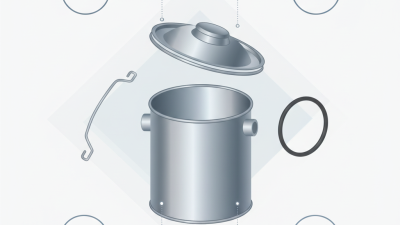
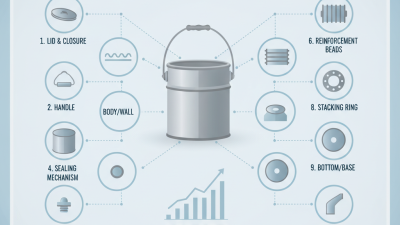
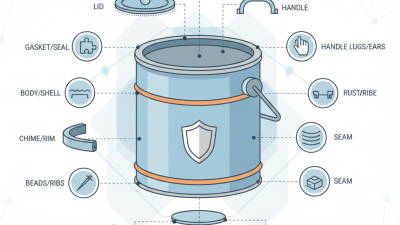
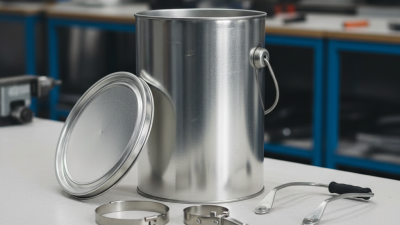
When considering your needs, it’s vital to analyze the specifications of various components. Metal pails can include lids, handles, and linings. Each of these parts plays a crucial role in the performance of the pail. For instance, improper lid selection may lead to leakage or contamination. Thus, thoughtful consideration is needed.
Additionally, industry standards and certifications often guide selection processes. Not all components are created equal. Testing and quality assurance are key here. Sometimes, a less expensive component might prove to be a better investment in the long run. Recognizing these aspects can lead to better decision-making and ultimately, a more reliable product.
Understanding the Different Types of Metal Pails and Their Applications
When selecting metal pails, it’s essential to understand their various types and uses.
Steel pails offer durability and strength, making them suitable for heavy industrial applications.
They can withstand harsh environments, but they might rust over time without proper care.
Galvanized pails provide extra protection against corrosion, making them a good choice for both indoor and outdoor storage.
Aluminum pails are lighter and resistant to corrosion, ideal for food handling and chemical storage.
Their lightweight nature allows for easier transport.
However, they may not hold up as well under heavy weight compared to steel.
Consider the specific needs of your project. Does the pail need to resist rust? Will it carry heavy liquids? Reflect on these questions.
Another factor to consider is the lid type.
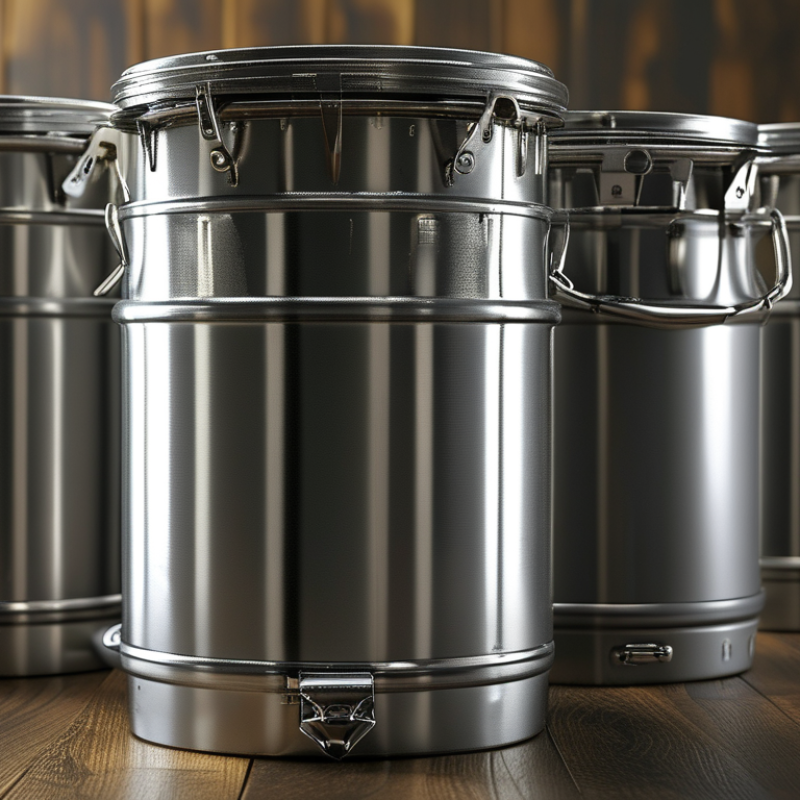
Metal pails can come with locking lids, which provide a tighter seal.
Yet, using these lids can sometimes complicate access.
Think about what works best for your application.
In summary, each type of metal pail has its strengths and weaknesses. Assessing your unique requirements can help you make a more informed choice.
Evaluating the Materials: Steel vs. Aluminum for Metal Pails
Choosing the right metal pail components can make a significant difference in their functionality and durability. When considering the essential materials, steel and aluminum are two primary options. Each material presents unique benefits and challenges. Understanding these can help you make informed decisions.
Steel pails are known for their strength and toughness. They can withstand harsh environments and physical impacts. However, they are heavier than aluminum and may rust if not treated properly. This makes them suitable for heavy-duty applications but less ideal for situations where weight is a concern. If you require robust storage for industrial purposes, steel might be your go-to.
On the other hand, aluminum pails are lightweight and resistant to corrosion. They are often used for applications that demand portability and ease of handling. However, they can be less durable than steel, especially in high-impact scenarios. Users may find aluminum pails dent more easily, which could compromise their integrity. Reflect on your specific needs; lightweight options may benefit you, yet heavier tasks might require the toughness of steel.
How to Choose the Right Metal Pail Components for Your Needs? - Evaluating the Materials: Steel vs. Aluminum for Metal Pails
| Criteria |
Steel Pails |
Aluminum Pails |
| Weight |
Heavier; more durable for heavy materials |
Lighter; easier to handle and transport |
| Corrosion Resistance |
Moderate; may rust without protective coating
|
High; naturally resistant to corrosion |
| Cost |
Generally lower cost |
Higher cost due to material |
| Temperature Resistance |
Good; can withstand high temperatures |
Excellent; retains integrity at lower temperatures |
| Recyclability |
Highly recyclable |
Highly recyclable |
| Ideal Use Cases |
Oil, chemicals, heavy industrial applications |
Food storage, lighter materials, resources sensitive to weight |
Key Specifications to Consider: Capacity, Thickness, and Coatings
Choosing the right metal pail components is crucial for various industrial applications. Key specifications play an essential role, particularly
capacity,
thickness, and
coatings.
The capacity of a pail can range widely, from one gallon to five gallons, depending on the intended use. Reports indicate that a higher capacity can reduce the frequency of refills, enhancing operational efficiency.
Thickness is another critical factor. Standard metal pails typically have a thickness ranging from
0.4 mm to
1.0 mm.
Thicker pails offer better durability, especially when handling heavy materials. However, they may weigh more and increase shipping costs. Striking a balance between strength and weight is essential for many businesses.
Tips:
Always consider your specific needs. Assess the working environment and materials to avoid future issues. Additionally, choose coatings wisely. Proper coatings can prevent corrosion and extend the pail's lifespan. Look for options that meet safety regulations, especially for food or chemical storage. Ensuring your pail meets all requirements helps maintain safety and reliability in operations.
Analyzing Compliance Standards: FDA and UN Regulations for Safety
When selecting metal pail components, it’s crucial to consider compliance with
FDA and
UN regulations. The FDA monitors materials in direct contact with food, ensuring safety and quality. According to a
2021 report by the FDA, 67% of recalls were related to packaging failures. This highlights the importance of
choosing compliant materials that prevent contamination.
UN regulations, particularly for hazardous materials, play a vital role as well. The UN sets standards for packaging that minimize risks during transport. In a
2020 study, 20% of companies faced regulatory issues due to improper pail components. These issues often arise from
insufficient knowledge about compliance standards. Choosing the right materials can prevent costly errors and enhance safety.
Implementing proper compliance checks can be challenging. Companies must ensure that all components meet both
FDA and
UN requirements. A
2022 survey indicated that only 45% of manufacturers fully understood these regulations. It is essential to bridge this knowledge gap.
Regular training and audits may help. Inadequate compliance can lead to legal trouble and damage to brand reputation.
Cost-Benefit Analysis: Balancing Quality and Price for Your Metal Pail Needs
Choosing metal pail components requires a balance of quality and price. A recent industry report highlights that nearly 65% of manufacturers prioritize cost over material quality. This approach can lead to short-term savings, but long-term issues may arise. For example, lower-quality metals can result in corrosion, impacting your product's integrity.
Cost considerations are often concrete, yet they should not overshadow reliability. Research indicates that investing an extra 10% in quality can extend the lifespan of metal pails by up to 40%. This data reveals the importance of assessing long-term needs against immediate budget constraints.
Another point of reflection is sourcing materials. A study found that 47% of companies did not fully understand the trade-offs in material selection. Understanding factors like galvanization can influence both cost and durability. Make informed choices to ensure your pail not only meets budget restrictions but also serves its purpose effectively. Cut costs wisely, but don’t sacrifice quality.