2026 How to Identify Empty Paint Can Components for Procurement?
Identifying Empty Paint Can Components is crucial for efficient procurement processes. Paint manufacturers often grapple with sourcing quality components. Knowing which elements are essential can save time and resources.
Many factors influence the selection of these components. This includes the material type, size, and compatibility with paint types. Understanding these criteria can lead to better purchasing decisions. A detailed knowledge of these components ensures that you meet industry standards while minimizing waste.
Additionally, frequent evaluation of suppliers is essential. Are they providing reliable quality? Are their components consistently meeting specifications? Such questions lead to enhanced decision-making. By reflecting on procurement practices, companies can increase efficiency and reduce costs. Identifying Empty Paint Can Components effectively is a stepping stone to improved operational success.
Identification of Key Components in Empty Paint Cans
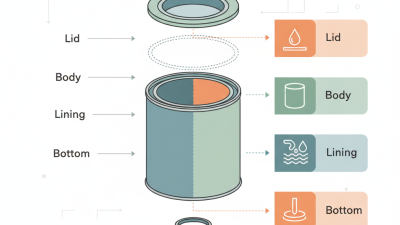
Understanding the empty paint can is crucial for effective procurement. Each can has key components that affect recycling and reuse. The lid is critical. It should fit tightly to prevent spills. The body must be robust, ensuring it can withstand transportation.
Identifying the label can be subtle yet important. A clear label indicates contents and safety information. It's not uncommon to see cans without labels. This can pose risks in a procurement scenario. Moreover, assess the closure mechanism. Some cans use a metal tab, while others employ a screw-on lid. Both types serve unique purposes.
Recycling guidelines often dictate which components are recyclable. However, many businesses still overlook this. It's essential to verify local regulations. Unsuitable components can lead to costly disposal issues. Observations suggest that some organizations fail to track these details. This lack of attention can result in inefficiencies. Investing time in component identification yields long-term benefits. It reduces waste and promotes sustainability.
Understanding Material Composition for Recyclable Paint Can Procurement
Identifying the materials in empty paint cans is crucial for sustainable procurement. Paint cans are typically made from metal or plastic. Knowing the specific types of materials informs recycling processes and reduces environmental impact. An effective approach starts with evaluating the can's physical features. Look for markings indicating material types. Observe the thickness, color, and texture of the can. These elements can hint at its recyclability.
Understanding the composition is vital for procurement decisions. Metal cans often contain steel or aluminum, while plastic variants are generally made of polyethylene or polypropylene. Check for the recycling symbol. It’s a quick visual cue for recyclability. However, not all cans with the symbol are easily recycled. It can be confusing. Sometimes, even minor contaminants, like paint residues, hinder recycling efforts.
When in doubt, consult recycling guidelines specific to your region. Recycling requirements vary widely. Each facility has its own rules for accepting materials. Acknowledging this can guide better procurement practices. Not every empty can fits neatly into the recycling system. Recognition of this complexity is the first step to a more informed and responsible procurement approach.
Analyzing Cost Factors in Sourcing Paint Can Components
Sourcing components for empty paint cans requires careful attention to cost factors. Understanding the market dynamics is crucial. Analyze material prices, manufacturing costs, and supply chain efficiency. Raw material fluctuations affect the final price significantly. Keep an eye on supplier reliability. Frequent changes in pricing can disrupt budgets and planning.
Consider the cost of transportation and logistics. Distances can impact expenses. Local suppliers may offer better rates due to lower shipping fees. However, always weigh the benefits of quality against cost. Cheaper components might not meet safety standards. This could lead to recalls or liability issues.
Packaging is another key element. Design impacts material use and overall expense. A well-thought-out design may reduce waste and cost. Assessing the trade-offs between aesthetics and function is important. Mistakes in this area can lead to unnecessary spending. Always reflect on past sourcing decisions to improve future procurement strategies.
2026 How to Identify Empty Paint Can Components for Procurement? - Analyzing Cost Factors in Sourcing Paint Can Components
| Component Type |
Material Type |
Average Cost ($) |
Lead Time (Days) |
Recyclability (%) |
| Lid |
Plastic |
0.15 |
10 |
60 |
| Body |
Metal |
0.70 |
15 |
90 |
| Handle |
Plastic |
0.20 |
12 |
50 |
| Seal |
Rubber |
0.10 |
8 |
30 |
| Label |
Paper |
0.05 |
5 |
100 |
Evaluating Supplier Reliability for Empty Paint Can Parts
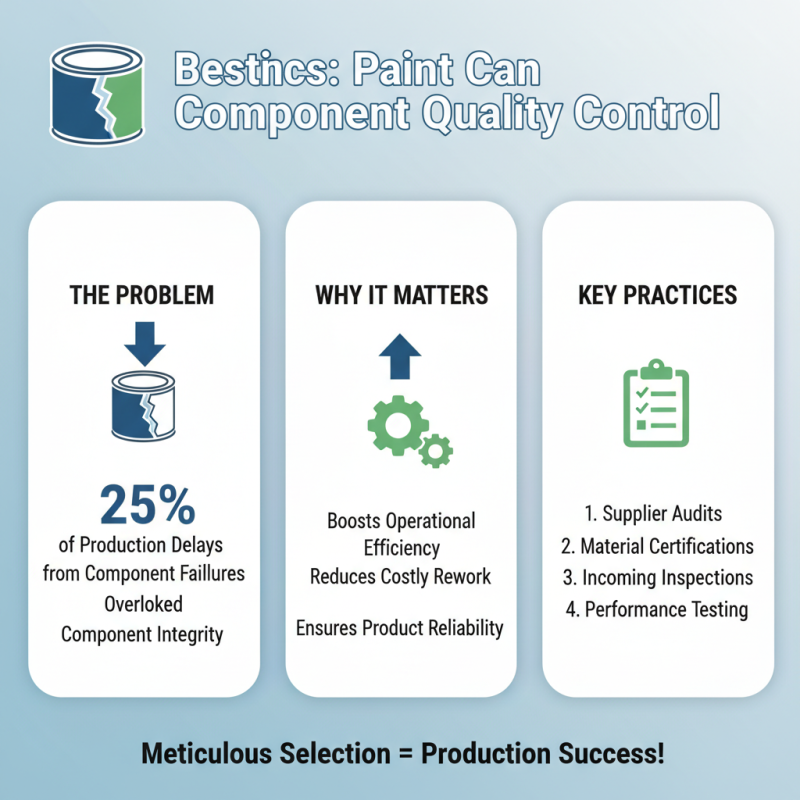
When procuring empty paint can components, supplier reliability is crucial. Evaluating potential suppliers requires a thorough approach. Begin by assessing their track record. Look for companies with years of experience in the industry. A reliable supplier should have established connections and a solid reputation.
Consider asking for references. Speak directly with other businesses that have worked with the supplier. This provides insight into their reliability and responsiveness. Pay attention to how they handle issues. An effective supplier will address concerns swiftly and efficiently.
Tips: Always verify any certifications the supplier claims to have. Quality control processes are essential. Suppliers should be transparent about their quality assurance steps. Remember, a supplier's ability to deliver on promises is a reflection of their reliability. Regular audits might also be necessary to maintain accountability in the long run.
Supplier Reliability Evaluation for Empty Paint Can Components
This chart illustrates the reliability evaluation metrics for suppliers providing empty paint can components. The metrics include quality, delivery time, pricing, and customer service. The data reflects a range of supplier evaluations based on these essential criteria.