What is Metal Packing Components and Their Importance in Industry?
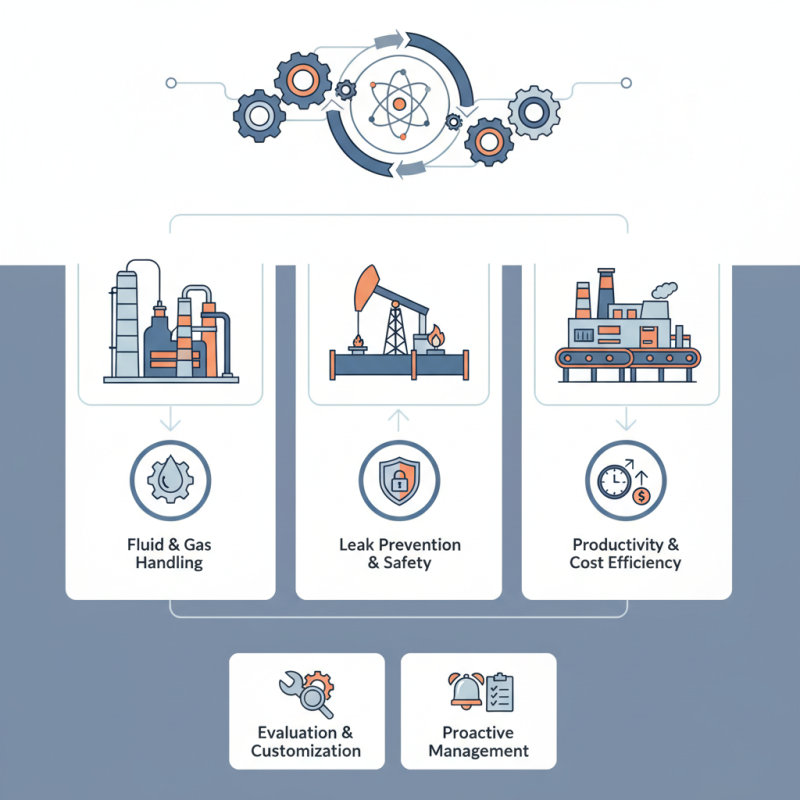
Metal Packing Components play a critical role in various industries. These components ensure the efficiency of fluid and gas handling systems. They are essential in the chemical, oil, and gas sectors, where leaks could lead to catastrophic failures.
Understanding Metal Packing Components is vital. They provide sealing solutions that prevent unwanted emissions. Their design and materials are often tailored to specific environments. This customization boosts reliability but also poses challenges. Poorly designed components can lead to significant downtime and increased costs.
The importance of Metal Packing Components cannot be overstated. They impact both productivity and safety. However, not all components perform equally. Companies must evaluate and choose wisely. Neglecting this can result in operational inefficiencies and safety hazards. Awareness and proactive management of these components are necessary for optimal performance.
What Are Metal Packing Components?
Metal packing components play a critical role in various industries. These components are used to pack, seal, or protect devices and systems. They are essential for maintaining pressure, preventing leaks, and ensuring operational efficiency. According to a recent market report, the global metal packaging market is expected to reach $200 billion by 2025. This growth highlights the increasing dependence on metal packing solutions.
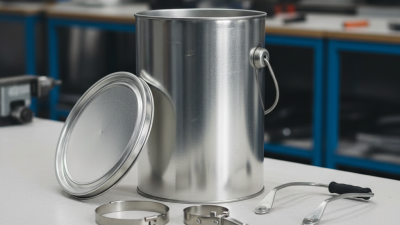
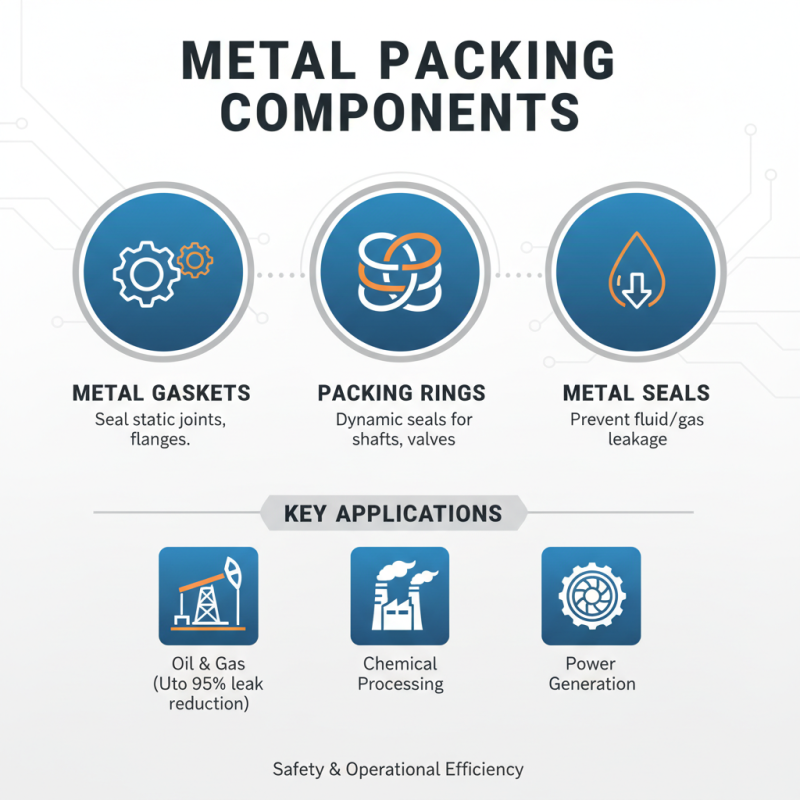
There are several types of metal packing components. These include gaskets, rings, and seals, each designed for specific applications. Gaskets, for instance, are used to fill space between two parts. They prevent leakage of fluids or gases. Rings and seals provide similar functionalities but often vary in shape and design. The choice of material is crucial. Stainless steel and aluminum are common due to their strength and resistance to corrosion.
Despite their importance, the industry faces challenges. Not all metal packing components meet the stringent safety standards. Quality control remains a concern for many manufacturers. Additionally, some components may not be recyclable, contributing to environmental issues. These gaps highlight the need for innovation and better practices in the industry.
Types of Metal Packing Components and Their Applications
Metal packing components are crucial in various industrial processes. These components include metal gaskets, packing rings, and seals, all designed to prevent leakage and maintain system integrity. For instance, in the oil and gas sector, using high-quality metal packing components can minimize leaks by up to 95%. This data illustrates their significance in safety and operational efficiency.
Among the various types of metal packing components, metal braided packing and metal O-rings stand out. Metal braided packing is commonly used in high-pressure applications. It can withstand extreme temperatures while providing excellent sealing capabilities. Metal O-rings, on the other hand, offer versatility. They are important in automotive and aerospace applications where tight seals are mandatory. In critical environments, the wrong choice of packing can lead to system failures.
Recent industry reports indicate a growing demand for advanced metal packing materials. This trend is fueled by a need for improved durability and resistance to harsh conditions. However, not all applications require high-end materials. Some industries still use basic metal packing, leading to inefficiencies. The challenge lies in balancing cost with performance and finding the right materials for specific needs.
Key Industries Utilizing Metal Packing Components
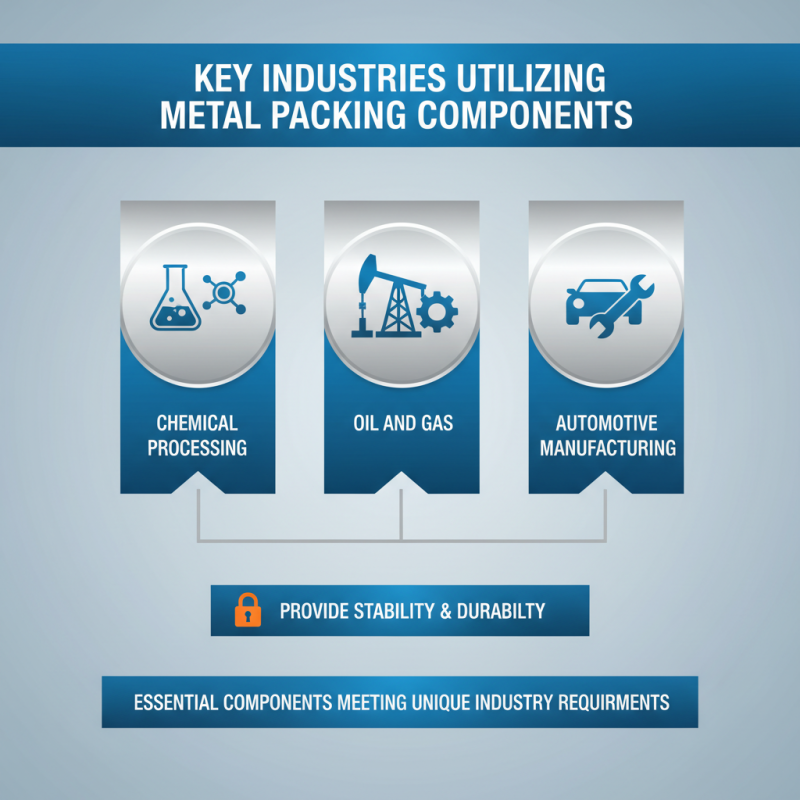
Metal packing components play a vital role in several key industries. These components are essential for providing stability and durability. They are particularly important in sectors such as chemical processing, oil and gas, and automotive manufacturing. Each industry has unique requirements, and metal packing components must meet these specifications.
In chemical processing, metal packings prevent leakage and contamination. They are crucial for safety and efficiency. Similarly, in the oil and gas industry, these components withstand extreme conditions. They ensure that extraction and transportation processes run smoothly. Automotive manufacturing relies on metal packings for engine and transmission components. Their reliability impacts vehicle performance.
However, not all applications use metal packing components correctly. Misalignment or improper installation can lead to issues. It's important for industries to continually assess and refine their use of these components. Regular maintenance can prevent costly downtime and enhance performance. Each sector should focus on improving practices to maximize the benefits of metal packing solutions.
Benefits of Metal Packing Components in Industrial Settings
Metal packing components play a crucial role in various industrial settings. These components, such as washers, gaskets, and seals, ensure reliability and efficiency. The use of metal for packing materials provides strength and durability that can withstand harsh conditions. This is essential in processes involving high temperatures or corrosive substances.
One significant benefit of metal packing components is their resistance to wear and tear. Unlike rubber or plastic, metal can endure extreme environments. This often leads to reduced maintenance costs over time. However, improper selection or installation can lead to failures. For example, using a component that doesn't match the application can cause leaks or malfunctions. Businesses must be vigilant in their choices.
Moreover, metal packing components improve overall system performance. They enhance fluid containment and prevent contamination. Without proper packing, systems may face inefficiencies or even catastrophic failures. While metal offers many advantages, it is essential to consider its limitations. Over time, metal components may corrode or degrade, leading to performance issues. Regular inspections are necessary to ensure optimal functionality.
Importance of Metal Packing Components in Industry
Market Trends and Future Prospects for Metal Packing Components
The metal packing components industry is experiencing significant growth. According to a recent report, the global demand for metal packing components is projected to reach over $7 billion by 2027. This surge is driven by their critical application in various sectors, including automotive, aerospace, and oil and gas. Their durability and strength make them indispensable in transporting hazardous materials safely.
However, the market is not without challenges. Supply chain disruptions and fluctuating raw material prices can hinder production. Many manufacturers face difficulties in maintaining consistent quality due to these external factors. Additionally, environmental regulations are tightening globally, pushing companies to adapt to sustainable practices. Innovative materials and eco-friendly methods are becoming essential to meet these demands.
The future of metal packing components looks optimistic, but it requires strategic evolution. Investment in research and development can lead to enhanced performance and efficiency. The integration of smart technology may also reshape the industry landscape. Adapting to these shifts will be vital for businesses aiming to remain competitive and relevant in an ever-evolving market.
What is Metal Packing Components and Their Importance in Industry?
| Component Type |
Material Used |
Application Area |
Market Growth Rate (2023-2028) |
Future Trends |
| Metal Seals |
Stainless Steel |
Aerospace, Automotive |
5.4% |
Increased demand for lightweight materials |
| Metal Rings |
Aluminum |
Manufacturing, Oil & Gas |
4.8% |
Focus on corrosion resistance |
| Metal Gaskets |
Copper |
Energy, Chemical Processing |
6.1% |
Innovations in sealing technology |
| Metal Valves |
Brass |
Water Supply, HVAC |
5.0% |
Shift towards automatic controls |