What Are the Essential Components of an Empty Paint Can?
An empty paint can may seem simple at first glance. However, its components play critical roles. Understanding the empty paint can components reveals much about its functionality and design.
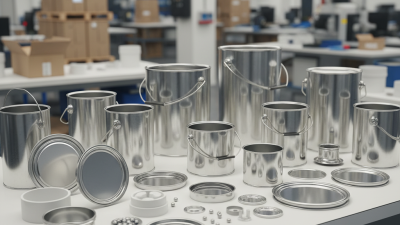
The can's body is often made of steel or aluminum. This choice ensures durability while keeping it light. A properly designed lid creates a secure seal. It prevents contamination and spills. The rim, often overlooked, provides strength. Together, these components maintain the integrity of the paint inside.
Considering these elements sparks reflection on their importance. Each component must work harmoniously, which is not always the case. Inadequate design may lead to issues, such as leaks or contamination. These failures highlight the importance of quality control in manufacturing. Understanding the empty paint can components invites both appreciation and scrutiny of their design.
Overview of an Empty Paint Can's Construction
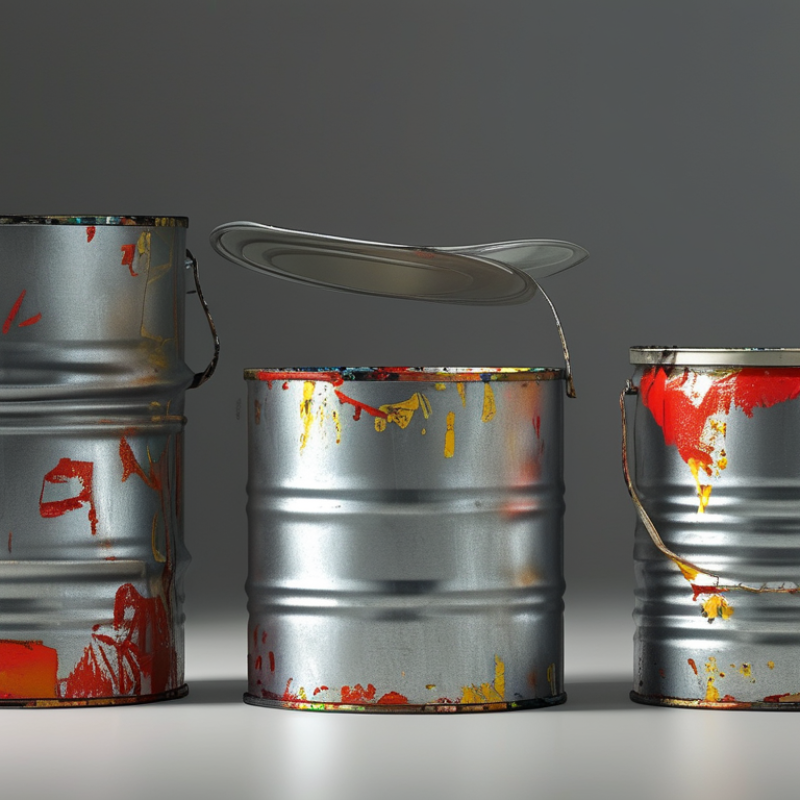
An empty paint can might seem simple, but its construction reveals essential components. Typically, it consists of a metal body, a lid, and a rim. The body is made from a lightweight yet sturdy metal, often steel. This choice ensures durability while maintaining a manageable weight for users. The lid fits tightly to prevent dust and contaminants from entering.
The rim of the can serves a critical function. It provides strength and stability, preventing deformities during manufacturing and transportation. Often, the rim is shaped to accommodate easy opening and closing. In addition, the interior surface may have a coating to prevent rust or chemical reactions. These design elements ensure the can remains functional and safe, even after it is emptied.
While these components seem straightforward, imperfections can occur in production. A poorly sealed lid may lead to exposure to moisture, causing rust. Variations in metal thickness might affect integrity. These flaws remind us to consider quality in every aspect of design, even for something as mundane as an empty paint can.
Materials Used in Empty Paint Can Manufacturing
Empty paint cans serve a crucial role in the paint industry. Understanding the materials used in their manufacturing helps ensure quality and safety. Typically, these cans are made from metals like steel or aluminum. The choice of material influences the can's durability and recyclability.
Steel is a common choice due to its strength and resistance to corrosion. It's often coated with a layer to prevent rust. Aluminum, while lighter, is also recyclable and provides a good barrier against air. The use of these materials ensures that the cans retain their integrity during storage and transport.
Beyond metals, manufacturers also incorporate various coatings. These coatings can enhance the can's resistance to chemicals. However, the choice of coating material can sometimes detract from the overall environmental sustainability. As industries push for greener practices, re-evaluating these materials becomes essential. Continuous improvement in choosing eco-friendly options is a necessity in the modern manufacturing landscape.
Design Features and Functionality of Paint Cans
Paint cans play a critical role in the painting industry, with their design intricately tied to functionality. The essential components of an empty paint can include the body, lid, and rim. The body is typically made of steel or aluminum, ensuring durability and resistance to rust. A report from the American Coatings Association highlights that around 75% of paint containers are recycled, emphasizing the importance of material choice in sustainability.
In terms of functionality, the lid features a tight seal to prevent paint from drying out. A well-designed can allows for easy pouring without spills. The rim often has grooves that assist with the application of a brush or roller without creating a mess. However, even with advances in design, challenges remain. According to industry research, nearly 20% of users report difficulties in resealing cans once opened. This indicates a need for continuous innovation to enhance overall user experience, ensuring that accessibility and functionality are prioritized.
Moreover, ergonomic design is crucial for the ease of handling. Many users struggle with heavy cans and awkward shapes. According to surveys, weight distribution affects the can's usability significantly. A can that is too heavy may discourage reuse and recycling, posing a larger issue in sustainable practices. The industry must reflect on these aspects to meet consumer expectations while aligning with eco-friendly initiatives.
Common Sizes and Their Applications in Paint Cans
When selecting paint cans, the size plays a crucial role in application. Standard sizes include quart, gallon, and five-gallon containers. Quart cans are ideal for small projects, like touch-ups or furniture refinishing. A gallon can suits most home interior jobs, while five-gallon buckets are perfect for large-scale exterior painting.
The dimensions of cans can affect usability. For example, a quart can is lightweight, easy to handle, and suitable for small spaces. However, if you're tackling a big outdoor project, the five-gallon option might feel cumbersome. Remember, the right can size can streamline your workflow.
Tips: Always consider how much paint you need. Overestimating can lead to wasted materials. Conversely, underestimating may require unplanned trips to the store. Measure your area beforehand for accuracy. Also, keep in mind that leftover paint should be stored properly. This prevents spoilage and saves money for future projects.
What Are the Essential Components of an Empty Paint Can? - Common Sizes and Their Applications in Paint Cans
| Component |
Description |
Common Sizes (in quarts) |
Applications |
| Body |
The main part of the paint can, typically made of metal or plastic. |
1, 2, 5, 10 |
Used for storing various types of paint. |
| Lid |
A cover that seals the can to prevent paint from drying out. |
Standard sizes matching the body sizes. |
Essential for keeping paint fresh and usable. |
| Handle |
A metal or plastic part for easy carrying and pouring. |
All sizes generally include a handle. |
Facilitates transportation of the can. |
| Label |
Information sticker indicating paint type, color, and safety instructions. |
Varies with the can size. |
Provides essential information for the user. |
| Spout |
A feature that allows for easier pouring of paint. |
Typically found in larger cans (5 quarts and above). |
Helps prevent spills while pouring. |
Environmental Considerations for Empty Paint Can Disposal
Disposing of empty paint cans requires careful consideration. Most people overlook the environmental impact of their disposal methods. Paint cans made from metal and plastic can contribute to landfill waste if not handled properly. They can also release harmful chemicals into the environment.
When disposing of paint cans, ensure they are completely empty. Leave the lid off to allow any residual paint to dry. Once dried, the can is more stable for disposal. If any paint remains, check your local hazardous waste facility. Many offer proper disposal options that protect the environment.
Tips for disposal:
- Rinse the can. Limited residue can sometimes be rinsed out and allowed to dry.
- Use a designated recycling center. This ensures your can is recycled correctly.
- Be aware of local regulations. These may vary by region.
Failure to dispose of paint cans correctly can lead to greater environmental issues. It’s vital to stay informed and act responsibly. The choices you make can have lasting effects on your surroundings.